

🌇 From solar to storage: how to cover 66% of residential demand in Valencia
📘 ‘From solar to storage: Case study for assessing massive use of small-scale lithium-ion batteries in residential sector’
👥 Authors: Carlos Vargas-Salgado, David Alfonso-Solar, Tomás Gómez-Navarro, Dácil Díaz-Bello, Carla Montagud-Montalvá
📍 Journal: Sustainable Energy Technologies and Assessments
🔗 DOI: https://doi.org/10.1016/j.seta.2025.104602
Several researchers linked to the Chair of Urban Energy Transition have participated in the article ‘From solar to storage: Case study for assessing massive use of small-scale lithium-ion batteries in residential sector’, published in the international journal Sustainable Energy Technologies and Assessments.
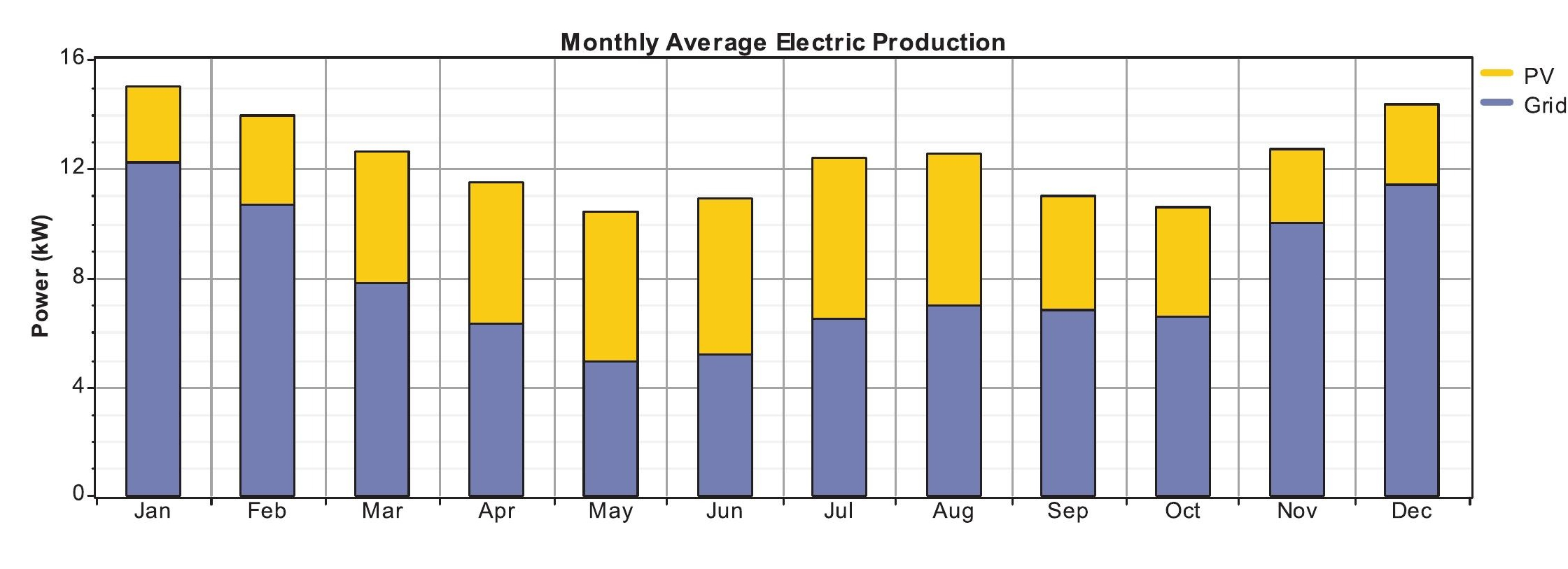
The study applies a comprehensive methodology (QGIS, PVGIS and HOMER) to the case of Valencia to assess the potential for the massive deployment of photovoltaic systems with lithium-ion batteries in the urban residential sector.
🔑 Main results:
- 🏙️ Potential for 392 MW of photovoltaic power on residential roofs.
- 🔋 Estimated storage capacity of 469 MWh, sufficient to cover 66% of the city’s residential electricity demand.
- 🏠 Low-rise buildings (2–3 storeys) achieve up to 95% energy self-sufficiency, while in high-rise buildings (≥9 storeys) coverage drops to 36%.
- 💶 High economic profitability in 4–8-storey buildings, with payback periods of 4–6 years and IRR between 17–23%.
- ⚡ Levelised cost of energy (LCOE) between 13 and 25 c€/kWh, competitive with current prices.
This work demonstrates the technical and economic viability of integrating distributed storage in urban areas, providing resilience and reducing grid dependence. It also connects with the objectives of the Chair of Urban Energy Transition by exploring solutions that promote the decarbonisation of cities and the promotion of more sustainable, decentralised and fair energy models.




