

DOWNLOAD THE COMPLETE WORK HERE.
The transition towards the use of renewable energies is an imperative need in the fight against climate change and the reduction of dependence on fossil fuels. Within this context, the study ‘Study of the potential for the implementation of photovoltaic systems on facades and roofs at the Universitat Politècnica de València’, carried out by Manuel Bailac Mur, analyses the viability of the installation of photovoltaic systems on the Vera campus of the UPV with the aim of covering the largest possible part of the energy demand.
Methodology and Design of the Photovoltaic System
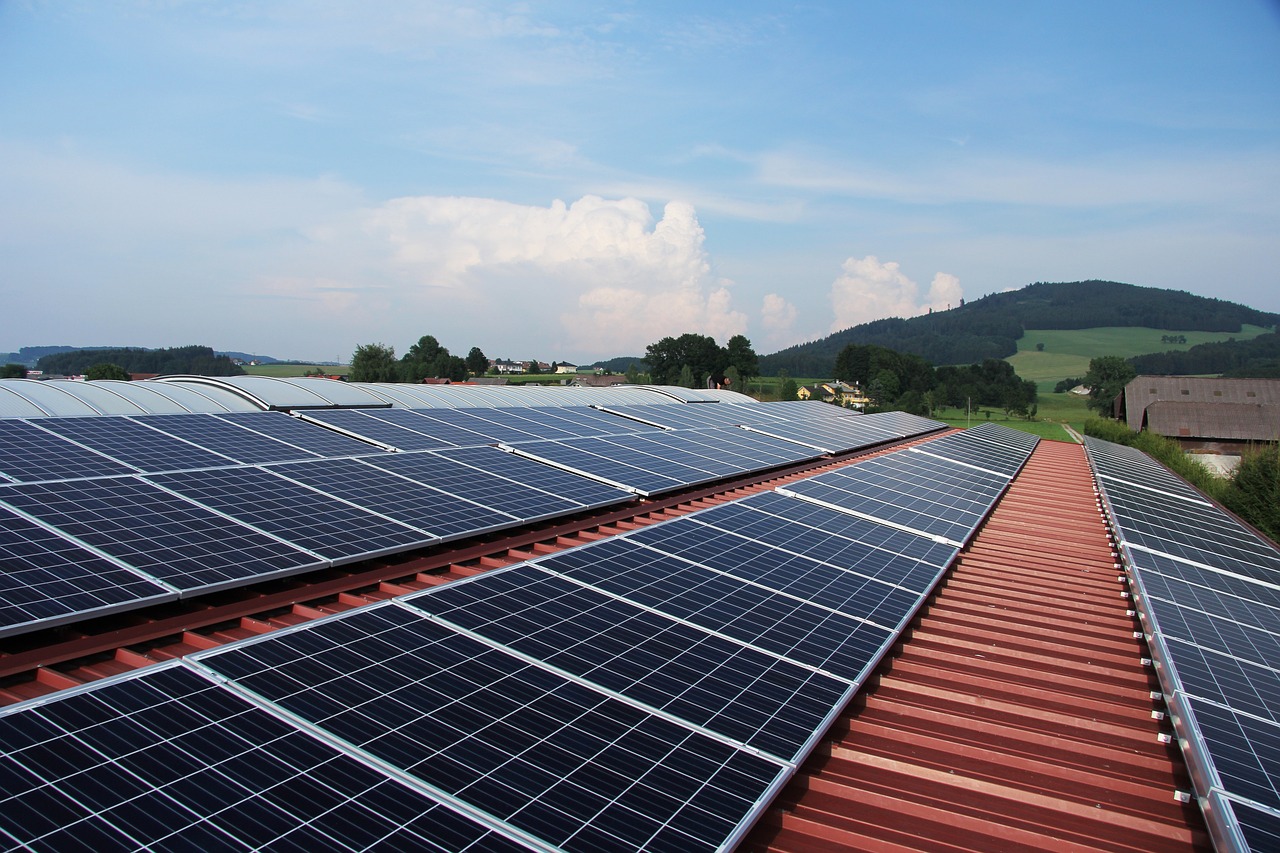
The study contemplates the installation of photovoltaic modules on the roofs and facades of the campus buildings. The panels have been installed on the east, west and south facades, discarding the north facades due to their low energy efficiency. The evaluation of the energy potential has been carried out by means of simulations in the System Advisor Model (SAM) software, which has allowed the design of an optimised system in terms of orientation, inclination and number of panels.
Two energy scenarios have been modelled:
Full scenario: includes the installation of 15 MW distributed in 6.3 MW on roofs, 2.58 MW on east facades, 3.46 MW on south facades and 2.68 MW on west facades. This scenario considers the fluctuation in the selling price of energy, with a projected reduction in cost from 91.15 €/MWh to 42.95 €/MWh in 2047. The initial investment amounts to 13.1 million euros, with a payback period of 5.8 years and an internal rate of return of 5.71%.
Optimised scenario: West facades are excluded due to their lower efficiency, reducing the investment to 10.8 million euros, with a payback in 4.9 years and an internal rate of return of 14.41%.
Environmental and Economic Benefits
The implementation of this photovoltaic infrastructure would generate a significant reduction in CO₂ emissions, contributing to the decarbonisation of the campus. It would also allow considerable energy savings, increasing the self-sufficiency of the UPV and reducing its dependence on the conventional electricity grid.
Additional benefits include:
Increased energy efficiency: The combination of panels on roofs and facades optimises energy generation throughout the day.
Reduced operating costs: Reduced electricity costs and greater financial stability in the face of energy market fluctuations.
Sustainability and institutional reference: The UPV is positioned as a model of a sustainable university committed to the energy transition.
Challenges and Future Considerations
Although the technical and economic viability of the project is positive, its implementation requires significant investments and incentive policies that favour the adoption of renewable energies in the educational sector. In addition, the integration of maintenance and monitoring strategies for the systems will be key to ensure their long-term efficiency.
This study not only provides a solid basis for the decarbonisation of the UPV campus, but can also serve as a reference for other academic institutions wishing to implement large-scale photovoltaic solutions. From the Chair of Urban Energy Transition, we remain committed to research and development of strategies that allow us to move towards a more sustainable and resilient energy model.



